 All Kinds Of Analytical Instruments, Electronics Meter & Environmental Equipment's Importer & Supplier.
 Hotline: +8801602 028999, Sales: +8801602 028992
 astoninstruments@gmail.com
 9.30AM - 7.00PM (Saturday ~ Thursday) |
 House: 205, Shop No: 03, Wirless Railgate, Boro Moghbazar, Dhaka-1217.


 Light Box & Accessories
 Verivide Light Box


 Weight Scale & Balance

 Machine & Spares


 Gsm Cutter & Spares


 Testing Meter & Tester


 Pantone Color Guide


 Lab Consumables


 Glassware & Plasticware

 Chemical & Reagent

 Laboratory Detergent


 Lamp & Elec. Ballast

 Others

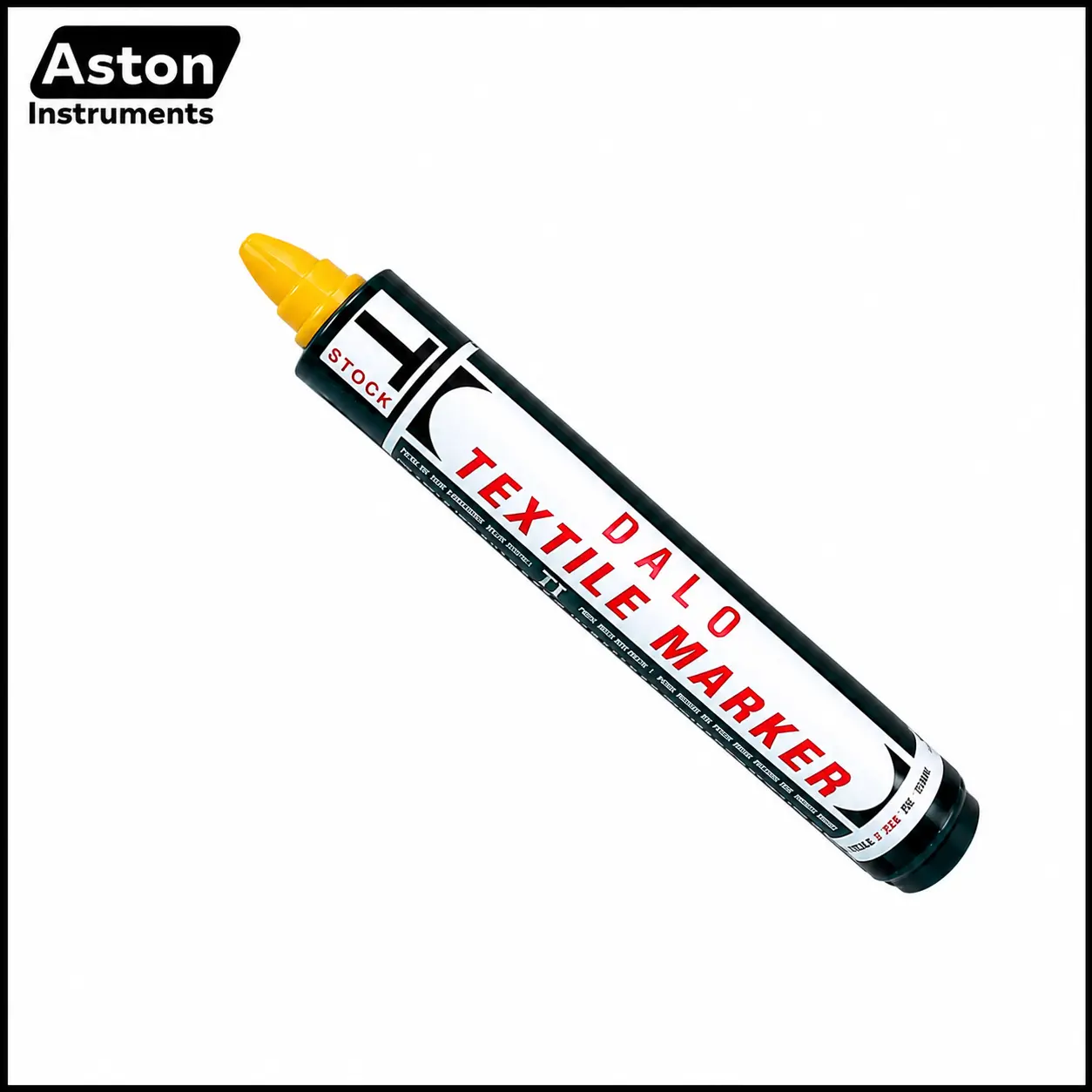


How to Choose the Right Temperature and Humidity Data Logger for Your Business

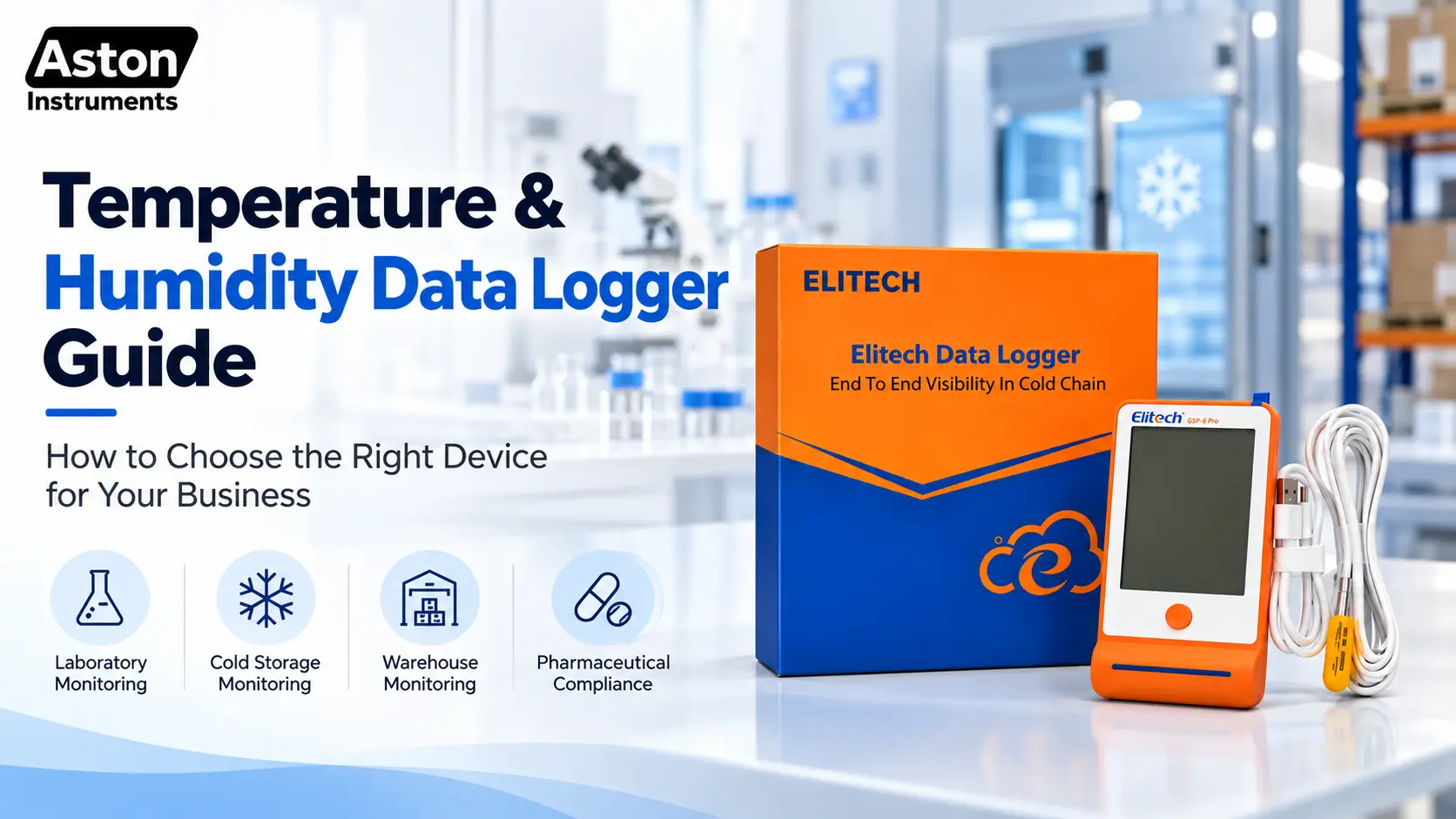
How Do You Choose a Temperature and Humidity Data Logger?
Choosing the right temperature humidity data logger depends on your monitoring requirements, including measurement range, accuracy, storage capacity, logging interval, sensor type, reporting features, and application environment.
Before buying, identify what you need to monitor, where the device will be used, how often you need temperature records, and whether you require humidity measurement, alarms, or data reports.
A suitable data logger should match your business needs rather than simply having the most features.
Why Choosing the Right Temperature and Humidity Data Logger Matters
Many businesses depend on stable temperature and humidity conditions to protect products, maintain quality, and improve operational control.
A small environmental change may affect:
- Product quality
- Storage conditions
- Laboratory accuracy
- Manufacturing processes
- Research environments
However, choosing a monitoring device can be confusing because different data loggers offer different features, measurement ranges, and applications.
A device suitable for a laboratory may not be the right choice for cold storage or transportation monitoring.
The correct selection starts with understanding:
- What you need to monitor
- Where you will use the device
- What level of accuracy you require
- How you will analyse the collected data
What Is a Temperature and Humidity Data Logger?
A temperature and humidity data logger is an electronic device that automatically measures and records temperature and humidity information over a specific period.
Unlike a normal thermometer or humidity meter that only shows current readings, a data logger stores historical environmental data.
This allows businesses to review:
Temperature changes
Humidity fluctuations
Environmental trends
Possible storage issues
A temperature humidity data logger is commonly used in:
Pharmaceutical storage
Laboratories
Warehouses
Food storage
Cold chain monitoring
Industrial environments
Step 1: Identify Your Monitoring Application
The first step is understanding where and why you need temperature and humidity monitoring.
Different industries have different requirements.
Pharmaceutical and Medical Storage
Businesses storing medicines, medical products, or sensitive materials often require continuous environmental monitoring.
Important considerations:
Stable temperature range
Reliable records
Historical data review
Alarm notifications
Laboratory Applications
Laboratories may require monitoring for:
Sample storage
Equipment environments
Research conditions
Important factors:
Accuracy
Data reliability
Long-term recording
Warehouse and Industrial Storage
Warehouses may need monitoring to identify environmental changes that can affect stored materials.
Important factors:
Long recording duration
Easy data access
Multiple monitoring points
Cold Chain Transportation
During transportation, temperature conditions can change unexpectedly.
A suitable data logger helps record conditions throughout the journey.
Step 2: Check Temperature and Humidity Measurement Range
One of the most important factors is whether the device can measure the conditions required for your application.
Before purchasing, check:
Temperature Range
Ask:
What minimum temperature do I need to measure?
What maximum temperature do I need to measure?
For example:
A cold storage environment requires a different range compared with a normal warehouse.
Humidity Range
If humidity affects your products or process, choose a device that supports humidity monitoring.
Humidity measurement is especially important for:
Laboratories
Storage areas
Electronic components
Sensitive materials
Step 3: Consider Accuracy Requirements
Accuracy determines how reliable your recorded information will be.
A business requiring strict environmental monitoring should consider:
- Temperature accuracy
- Humidity accuracy
- Sensor quality
- Calibration requirements
A lower-cost device may be acceptable for general monitoring, while professional applications may require higher measurement accuracy.
Step 4: Evaluate Data Storage Capacity
Data storage determines how long the device can record information before the memory becomes full.
Consider:
- How often data should be recorded
- How long monitoring is required
- How frequently reports need to be downloaded
For example:
A warehouse monitoring system may require longer recording periods compared with a short transportation process.
Step 5: Check Recording Interval Options
The recording interval determines how frequently the device captures readings.
Examples:
- Every minute
- Every 10 minutes
- Every hour
A shorter interval provides more detailed information but uses more memory.
A longer interval saves memory but provides fewer data points.
Choose an interval based on your monitoring purpose.
Step 6: Look at Data Export and Reporting Features
Collected data is only useful when you can easily understand it.
A good temperature humidity data loggers should allow users to:
- Download recorded information
- Review historical data
- Generate reports
- Analyse temperature changes
Reporting features are especially useful for:
- Quality control teams
- Laboratory managers
- Compliance documentation
Step 7: Consider Alarm Functions
Alarm features help users identify problems quickly.
Examples:
- Temperature exceeds the selected limit
- Humidity reaches an unwanted level
- Environmental conditions become unstable
This allows businesses to take corrective action before problems become serious.
Step 8: Consider Sensor and Probe Requirements
Different applications may require different sensor setups.
Important questions:
- Do you need an internal sensor?
- Do you need an external probe?
- Where will measurement take place?
For example, an external probe may be useful when the monitoring point is difficult to access.
Step 9: Check Software and Usability
A professional data logger should be easy to operate.
Consider:
- Setup process
- Data viewing software
- Report generation
- Export options
- User interface
A technically advanced device is not useful if users cannot easily access the information.
Common Mistakes When Choosing a Temperature Humidity Data Logger
Mistake 1: Choosing Only Based on Price
Why It Is a Problem
The cheapest option may not provide the accuracy, reliability, or features required.
Better Approach
Choose based on:
- Application
- Required accuracy
- Monitoring duration
- Reporting needs
Mistake 2: Ignoring Humidity Requirements
Why It Is a Problem
Some businesses focus only on temperature meter even when humidity affects product quality.
Better Approach
Evaluate whether humidity monitoring is necessary for your environment.
Mistake 3: Selecting the Wrong Measurement Range
Why It Is a Problem
A device may not perform correctly outside its designed range.
Better Approach
Understand your operating conditions before purchasing.
Mistake 4: Not Considering Data Management
Why It Is a Problem
Collecting data is not enough. You also need to analyse it.
Better Approach
Choose a device with practical reporting and data access options.
Troubleshooting: Common Temperature Monitoring Problems
| Problem | Possible Cause | Solution |
| Incorrect readings | Sensor placement issue | Check device location and sensor position |
| Missing data | Memory limit reached | Review recording settings |
| Difficult reports | Software limitations | Use suitable data management tools |
| Unexpected temperature changes | Environment fluctuation | Review storage conditions |
Temperature Humidity Data Logger Features Checklist
Before buying, review:
Temperature range
Humidity measurement range
Accuracy level
Memory capacity
Logging interval
Alarm functions
Sensor type
Software support
Data export options
Application suitability
Choosing Elitech GSP-6 Pro Data Logger for Temperature and Humidity Monitoring
For businesses looking for a professional monitoring solution, the Elitech GSP-6 Pro Data Logger is designed for applications where temperature and humidity recording are important.
It is suitable for environments that require:
- Temperature monitoring
- Humidity monitoring
- Historical data recording
- Data review and reporting
The device can support applications such as:
- Laboratory monitoring
- Storage monitoring
- Cold chain-related environments
- Industrial quality control
You can explore the product details here:
Elitech GSP-6 Pro Data Logger
Expert Tip: Choose Based on Your Process, Not Just Specifications
A common mistake is selecting equipment by comparing numbers only.
The best temperature humidity data logger is the one that matches:
- Your environment
- Your monitoring objective
- Your reporting needs
- Your quality requirements
A device used in a laboratory may require different features compared with a warehouse or transportation application.
Frequently Asked Questions
What is a temperature humidity data logger used for?
A temperature humidity data logger is used to automatically measure, record, and store temperature and humidity information over time. It helps businesses monitor environmental conditions in storage, laboratories, transportation, and industrial applications.
What is the difference between a temperature logger and a temperature humidity data logger?
A temperature logger records only temperature, while a temperature humidity data logger records both temperature and humidity conditions.
Why do businesses need temperature and humidity monitoring?
Businesses use monitoring devices to identify environmental changes, protect sensitive products, and maintain better quality control.
How often should a temperature humidity data logger record data?
The recording interval depends on the application. Critical environments may require more frequent readings, while general monitoring may use longer intervals.
Can a temperature data logger be used for cold chain monitoring?
Yes. Temperature data loggers are commonly used for monitoring temperature conditions during storage and transportation where temperature control is important.
What features should I check before buying a data logger?
Important features include measurement range, accuracy, memory capacity, recording interval, reporting options, sensor type, and application suitability.


